
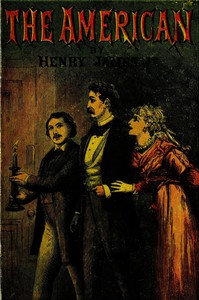
The American by Henry James
Henry James's The American starts with a simple, almost fairy-tale premise. Christopher Newman, having conquered the business world back in the United States, arrives in Paris looking for the ultimate acquisition: a wife who embodies the art and refinement he feels he lacks. He finds her in Claire de Cintré, a young widow from the venerable, ultra-conservative Bellegarde family.
The Story
Newman, with his straightforward charm and immense wealth, believes he can win anyone over. He befriends Claire's brother, Valentin, and begins to court her with honest intentions. Claire herself is drawn to his decency and vitality. But her mother, the formidable Madame de Bellegarde, and her older brother, the Marquis, view Newman as an uncivilized intruder. They represent a Europe closed off by centuries of tradition and hidden shame. As Newman presses his suit, he doesn't just face polite refusal; he uncovers a dark secret the Bellegardes are desperate to keep buried. The novel becomes a tense negotiation, then a quiet war, between Newman's modern belief in merit and the family's ancient code of pride and concealment.
Why You Should Read It
What gripped me wasn't just the plot, but how James makes you feel the weight of history. Newman isn't just a guy being snobby. He's running into a wall built over hundreds of years. You're rooting for him because he's so genuinely good-hearted, but you also understand why the Bellegardes are horrified. James doesn't pick a clear side. He shows the appeal and the emptiness of both worlds: American energy versus European depth, new freedom versus old stability. Claire is stuck in the middle, and her quiet tragedy is heartbreaking. It’s a deeply human story about the limits of money and goodwill.
Final Verdict
Perfect for anyone who loves a character-driven story where the social tension is thicker than any action scene. If you enjoyed the awkward clashes in Pride and Prejudice or the moral puzzles in Edith Wharton's novels, you'll find a lot to love here. It's also a great, more accessible entry point into Henry James before tackling his denser later works. Just be ready to get deeply frustrated on behalf of a very nice millionaire.
Legal analysis indicates this work is in the public domain. Feel free to use it for personal or commercial purposes.





Joshua Davis
1 year agoNot bad at all.